

Most people think about what's in their coffee. The origin, the roast, maybe the brewing method. But very few think about what shouldn't be in it.
As a registered nurse and small-batch specialty coffee roaster, I think about it every day.
Mold, mycotoxins, heavy metals — these aren't marketing buzzwords. They're real contaminants that can be present in coffee, and most consumers have no idea. The coffee industry doesn't advertise this. It's not on the label of that $12 bag at the grocery store. But it's there.
This post breaks down exactly what mold-free coffee means, why mycotoxins in coffee are a legitimate health concern, and what actually separates specialty coffee from commercial coffee — not just in taste, but in quality standards.
If you care about what you put in your body, keep reading.
What Is Mold in Coffee — and How Does It Get There?
Coffee is a fruit. Before it becomes the roasted bean in your bag, it goes through growing, harvesting, processing, drying, storage, shipping, and roasting. That's a long chain with a lot of opportunities for moisture exposure.
Mold develops on coffee beans when they're exposed to excess moisture at any point in that process. The most vulnerable stages are:
- Harvesting: Cherries left on the ground or harvested overripe carry more surface contamination
- Wet processing: Fermentation during washing, if not carefully controlled, can promote mold growth
- Drying: Beans dried too slowly, or in high-humidity environments, are at significant risk
- Storage and shipping: Coffee stored in humid warehouses or transported in poorly sealed containers can develop mold in transit
The problem isn't always visible. Mold on coffee beans often can't be seen with the naked eye. By the time beans are roasted and ground, the physical mold is gone — but the compounds it produced, called mycotoxins, remain.
What Are Mycotoxins — and Why Should Coffee Drinkers Care?
Mycotoxins are toxic chemical compounds produced by certain types of mold. They're heat-stable, meaning roasting doesn't destroy them. If they're present in the green bean before roasting, they're present in your cup.
The two mycotoxins most commonly associated with coffee are:
Ochratoxin A (OTA)
Ochratoxin A is produced by molds in the Aspergillus and Penicillium families. It's classified as a possible human carcinogen by the International Agency for Research on Cancer (IARC). Research published in peer-reviewed journals has identified OTA in commercial coffee samples worldwide, with some studies finding it in a significant percentage of commercially available ground coffees.
OTA has been associated with kidney toxicity, immune suppression, and genotoxic effects in research models. The European Food Safety Authority (EFSA) has set tolerable weekly intake limits for OTA — a signal that regulatory bodies take this contamination seriously.
Aflatoxins
Aflatoxins are produced primarily by Aspergillus flavus and Aspergillus parasiticus molds. They are among the most potent naturally occurring carcinogens known. Aflatoxin B1, the most toxic variant, is classified as a Group 1 carcinogen by IARC.
While aflatoxin contamination is more commonly associated with nuts and grains, it has been documented in coffee — particularly in improperly stored green beans from humid growing regions.
As a nurse, I want to be direct here: the amounts present in any single cup of commercial coffee are unlikely to cause acute harm. But coffee is not a drink most people have occasionally. Millions of people drink two, three, four cups a day, every day, for decades. Chronic low-level mycotoxin exposure matters in that context. That's why it's worth understanding.
What "Mold-Free Coffee" Actually Means
The term "mold-free coffee" or "clean coffee" gets used loosely in the industry. Some brands use it as a marketing claim with nothing behind it. Others back it with actual data.
Here's what genuinely clean coffee looks like from a standards perspective:
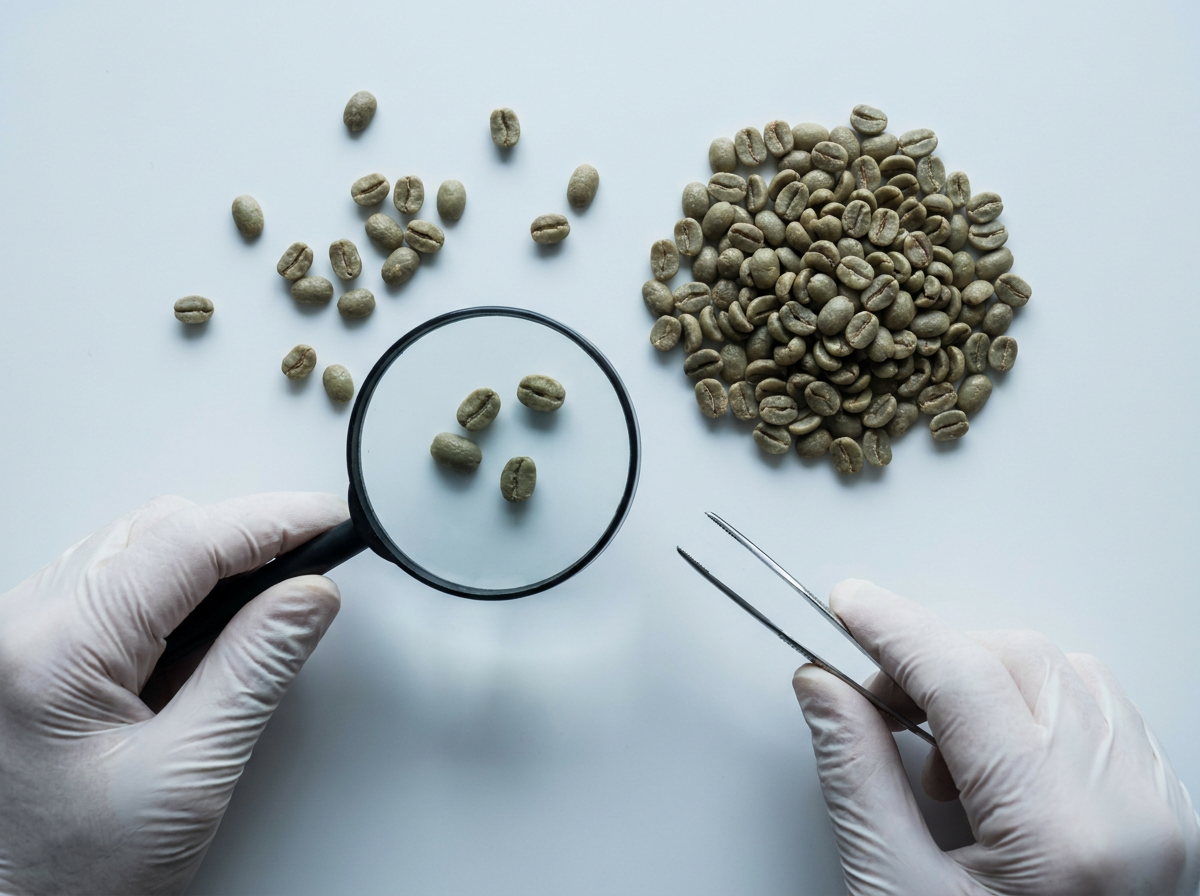
Third-party lab testing. The brand tests its coffee — not its own lab, not a supplier's lab — through an independent, accredited third-party laboratory. The results are verifiable.
Specific contaminant panels. Legitimate testing covers mycotoxins (including OTA and aflatoxins), heavy metals (lead, mercury, cadmium, arsenic), and mold and yeast counts. Vague claims about "purity" mean nothing without specific tested parameters.
Sourcing controls. Clean coffee starts before roasting. It starts with sourcing beans from farms and processors with documented quality controls — farms that manage drying conditions carefully, store green coffee properly, and can verify their practices.
Transparency. A clean coffee brand should be able to tell you what they test for and show you the results. If they can't, the claim isn't worth much.
At ARDITO, every blend we roast is sourced from farms certified mycotoxin free, heavy metal free (tested specifically for lead, mercury, cadmium, and arsenic), and mold and yeast free. All certifications are verified by independent third-party labs — not self-reported. That's not a marketing position. It's a sourcing standard.
Specialty Coffee vs. Commercial Coffee: The Quality Gap
Understanding mold-free coffee requires understanding the difference between specialty coffee and commercial coffee. They are not the same product.
How Specialty Coffee Is Graded
The Specialty Coffee Association (SCA) defines specialty coffee as coffee that scores 80 points or above on a 100-point sensory evaluation scale. That evaluation is conducted by certified Q Graders — professional coffee tasters trained and licensed through the Coffee Quality Institute.
To score 80+, a coffee must meet strict standards across fragrance, aroma, flavor, aftertaste, acidity, body, balance, uniformity, cleanliness, and sweetness. Defects — including contamination, off-flavors, and fermentation faults that can indicate mold presence — are penalized heavily.
Commercial coffee has no equivalent grading standard.
What Commercial Coffee Is Made Of
Commercial coffee sold in large grocery store cans, fast food chains, and institutional settings is almost universally blended from commodity-grade beans. Commodity coffee is traded as a raw agricultural product on futures markets, where price drives everything.
At that price point, sourcing is optimized for cost, not quality. Beans come from multiple origins, multiple harvest years, and multiple processors — often blended after the fact to hit a consistent flavor target. Quality controls at the farm level are minimal. Storage conditions across a global supply chain are inconsistent.
Commodity coffee is also predominantly Coffea canephora (Robusta), or a blend of Robusta and lower-scoring Coffea arabica varieties. Robusta naturally has higher acidity, more bitterness, and is less carefully processed than the single-origin or blended arabica used in specialty coffee.
Why Specialty Coffee Naturally Reduces Contamination Risk
This isn't coincidence. Specialty coffee commands higher prices precisely because it requires more careful handling at every stage. Farms producing specialty-grade beans have financial incentive to protect their harvest — mold damage destroys cup quality and kills their scoring potential.
- Selective harvesting means only ripe cherries are picked, reducing overripe and damaged fruit that carries higher contamination risk
- Controlled processing — whether washed, natural, or honey process — is monitored carefully because fermentation affects flavor scores
- Careful drying is essential for quality; properly dried beans produce cleaner flavors and are less susceptible to mold
- Small-batch roasting means traceability — roasters know exactly which lots they're working with and can pull anything that doesn't meet standards
None of this eliminates contamination risk entirely. But the entire supply chain of specialty coffee is aligned toward quality in ways that commercial coffee simply is not.
What ARDITO Roasts — and Why It Matters
ARDITO is a small-batch specialty coffee brand built on one principle: what goes into your cup should be held to the same standard as what you put into your body.
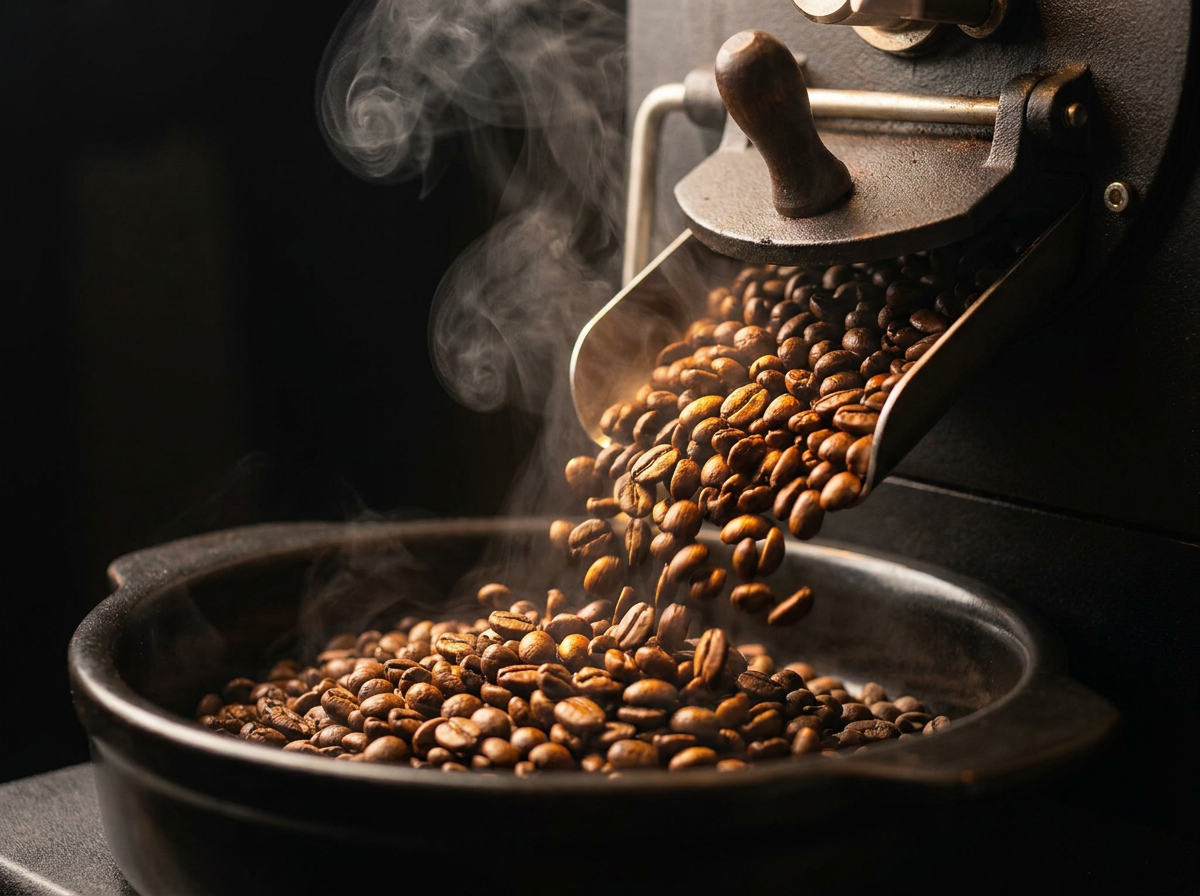
Every blend in the ARDITO lineup — ORIGINALE, ESSENZA, NERO, VELOCITA, and MONORIGINE — is small-batch roasted, sourced from farms that meet our full contamination-free certification requirements, and independently tested. No exceptions.
We roast in small batches because it gives us control. We know every lot. We can verify every certification. There's no volume-driven pressure to cut corners on sourcing.
The blends themselves are designed with intention:
- ORIGINALE — A balanced everyday blend built for consistent performance
- ESSENZA — Clean, bright, and precise for those who want clarity in every cup
- NERO — Bold and smooth, roasted for depth without bitterness
- VELOCITA — A driven, high-output blend for demanding schedules
- MONORIGINE — Single-origin transparency; one farm, one story, fully traceable
This isn't a supplement brand that added coffee. It's not a commodity roaster with a premium label. ARDITO was built from the ground up to be clean coffee — verified, traceable, and roasted to order.
How to Choose a Clean Coffee Brand
If you're evaluating whether a coffee brand is genuinely clean or just using the language for marketing, here's a simple framework:
Ask what they test for. Mycotoxins? Which ones? Heavy metals? Which metals? Mold and yeast? A real clean coffee brand can answer these questions specifically.
Ask who does the testing. Third-party independent labs are the standard. In-house testing or supplier-provided certificates are not sufficient verification.
Look at sourcing practices. Where do the beans come from? How are they processed and dried? Can the brand trace their supply chain?
Check for specificity in claims. "Natural," "pure," and "premium" mean nothing without standards behind them. "Tested by an independent lab for ochratoxin A, aflatoxins, lead, mercury, cadmium, arsenic, mold, and yeast" means something.
Consider the roasting model. Small-batch roasters with direct sourcing relationships have more traceability than large commercial operations buying commodity lots through brokers.
The Bottom Line
Most coffee is not bad coffee. But most coffee is not held to standards that account for what can be in it — beyond caffeine and flavor.
Mold-free coffee isn't a niche trend. It's a quality standard. And as the specialty coffee market continues to grow, more consumers are asking the right questions: not just how does this taste, but what is actually in this.
Specialty coffee exists at the intersection of quality and craft. When that standard is paired with rigorous contamination testing, you get something most grocery store shelves can't offer — coffee you can trust completely.
That's what ARDITO is built on.
If you're ready to make the switch to verified clean coffee, explore the full ARDITO lineup and find the blend that fits your routine.
Sources
- International Agency for Research on Cancer (IARC) — Ochratoxin A classification
- European Food Safety Authority (EFSA) — Tolerable Weekly Intake for Ochratoxin A
- Specialty Coffee Association (SCA) — Coffee Grading and Q Grader Certification standards
- Coffee Quality Institute — Q Grader Program
- Batista, L.R. et al. (2009) — "Ochratoxin A in coffees marketed in Brazil" — Food Control
ARDITO is a premium specialty coffee brand roasted in small batches and held to strict contamination-free sourcing standards.